
Xiaomi 18 Fold vs iPhone 17 Pro Fold: Specs, Features, Software and Real-World Experience
Xiaomi's hardware-first foldable takes on Apple's integration-first approach. We compare specs, cameras, multitasking, software and the real-world trade-offs.
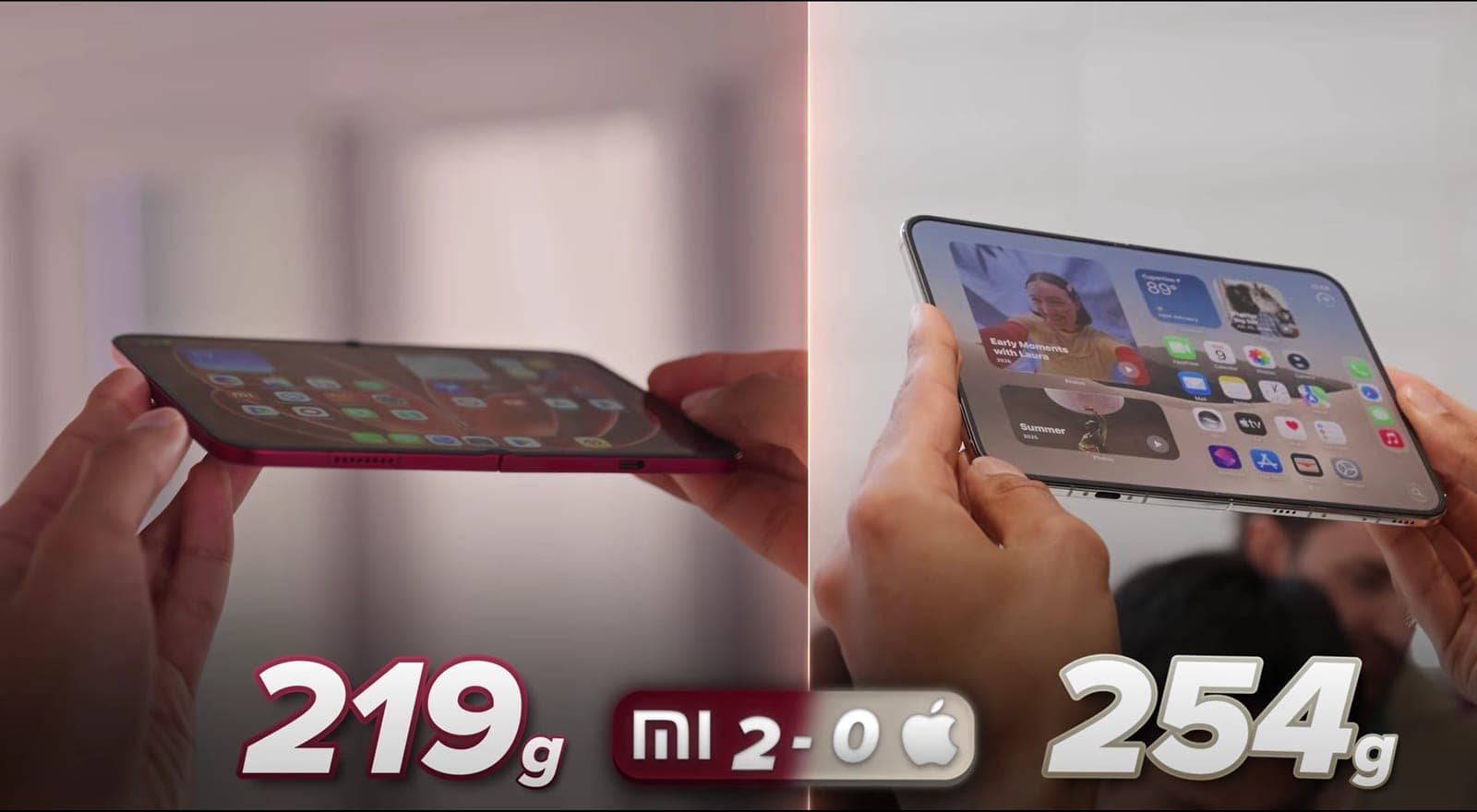
Foldable phones have reached an interesting stage. Manufacturers are no longer competing only on screen size and hinge design. They are now trying to build complete devices that can replace both a smartphone and, in some situations, a tablet.
The Xiaomi 18 Fold is a clear example of this approach.
On paper, Xiaomi's latest foldable appears to challenge Apple's iPhone 17 Pro Fold across almost every major hardware category. It is thinner, lighter, has a larger battery, faster charging, more cameras and a lower starting price.
But specifications only tell part of the story.
The bigger question is whether Xiaomi has managed to create a foldable experience that feels as polished and carefully integrated as Apple's approach.
Xiaomi 18 Fold vs iPhone 17 Pro Fold at a Glance
| Feature | Xiaomi 18 Fold | iPhone 17 Pro Fold |
|---|---|---|
| Folded thickness | 10.7 mm | 11.3 mm |
| Unfolded thickness | 5.02 mm | 5.2 mm |
| Weight | 219 g | 254 g |
| Cover display | 5.4 inches | 5.4 inches |
| Inner display | 7.6 inches | 7.6 inches |
| Battery | 6,000 mAh | Around 4,700 mAh |
| Wired charging | 67W | Up to 60W |
| Main camera | 200MP | Lower resolution sensor |
| Ultrawide | 50MP | Available |
| Telephoto | 50MP, 3.5x optical zoom | Available |
| Physical SIM | Up to 2 | No physical SIM |
| IR blaster | Yes | No |
| Starting price | Around $1,640 equivalent | Around $2,000 |
| Stylus support | No | No |
Specifications can vary by market and configuration, so buyers should check their regional model before making a purchase.
A Design That Looks Remarkably Familiar
One of the most noticeable things about the Xiaomi 18 Fold is how closely its dimensions appear to match Apple's foldable design.
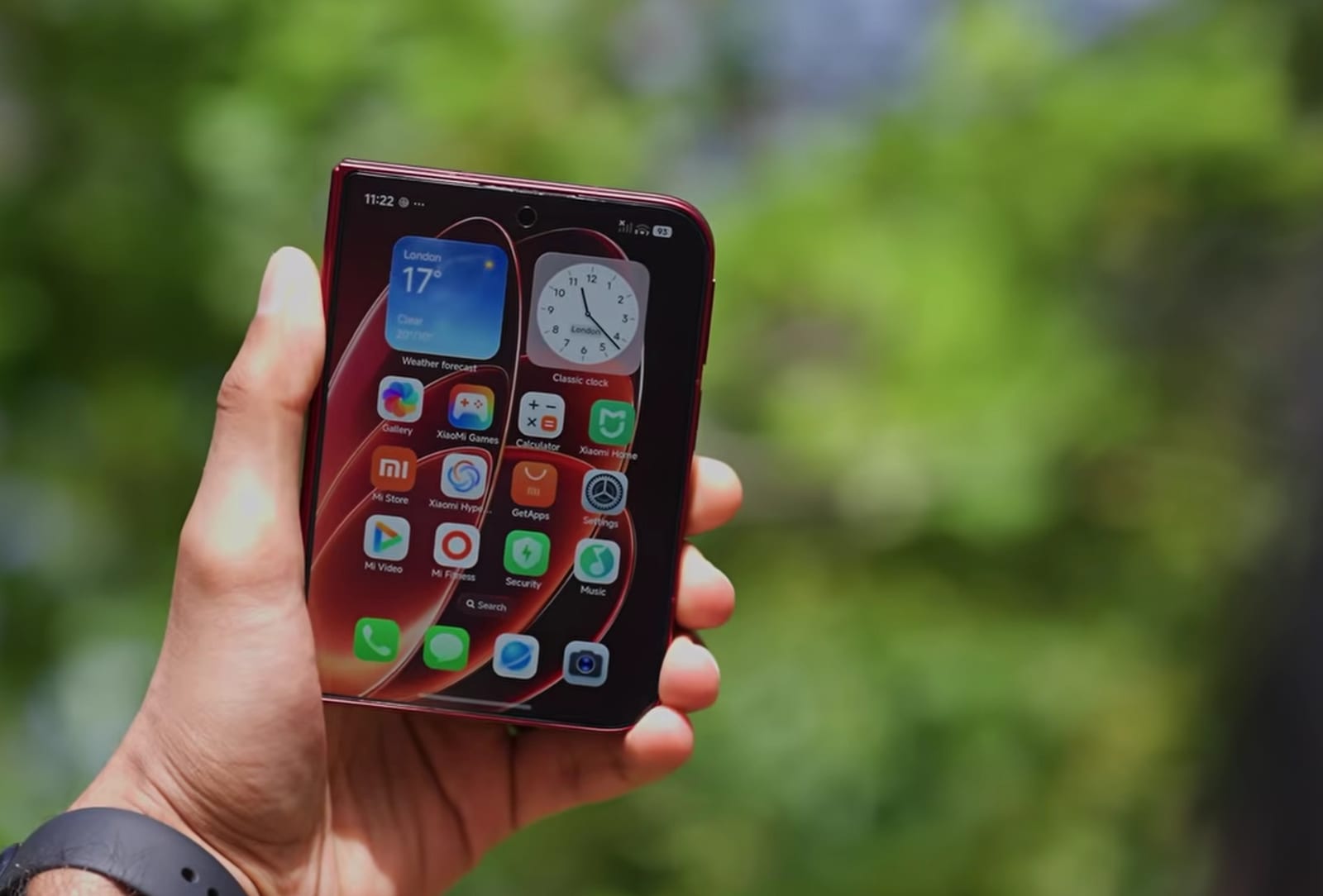
The cover display is around 5.4 inches, while the internal display expands to approximately 7.6 inches. Both screens use a 1.4:1 aspect ratio, giving the phone a similar overall shape whether it is closed or opened.
This approach has an important advantage.
Instead of treating the cover display and internal display as completely different devices, the similar proportions can make applications easier to adapt between the two screens.
Xiaomi has also managed to make the central crease relatively subtle. In everyday use, the crease can become easy to ignore, although its visibility depends on lighting and viewing angle.
Xiaomi Is Significantly Lighter
Weight is one of the biggest hardware differences.
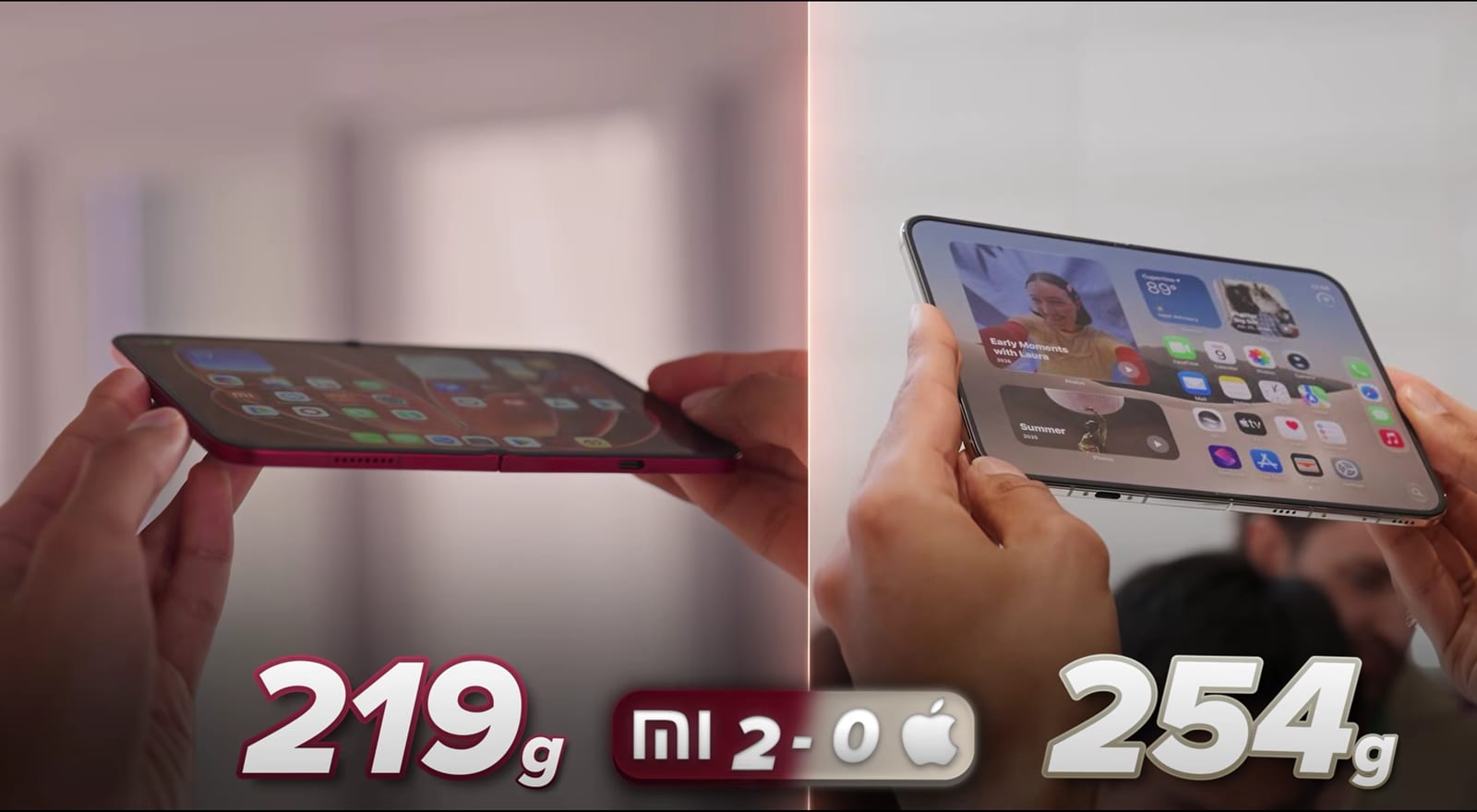
The Xiaomi 18 Fold weighs approximately 219 grams, compared with around 254 grams for Apple's foldable.
That is a difference of roughly 35 grams, which is surprisingly noticeable for a device that contains two displays and a large folding mechanism.
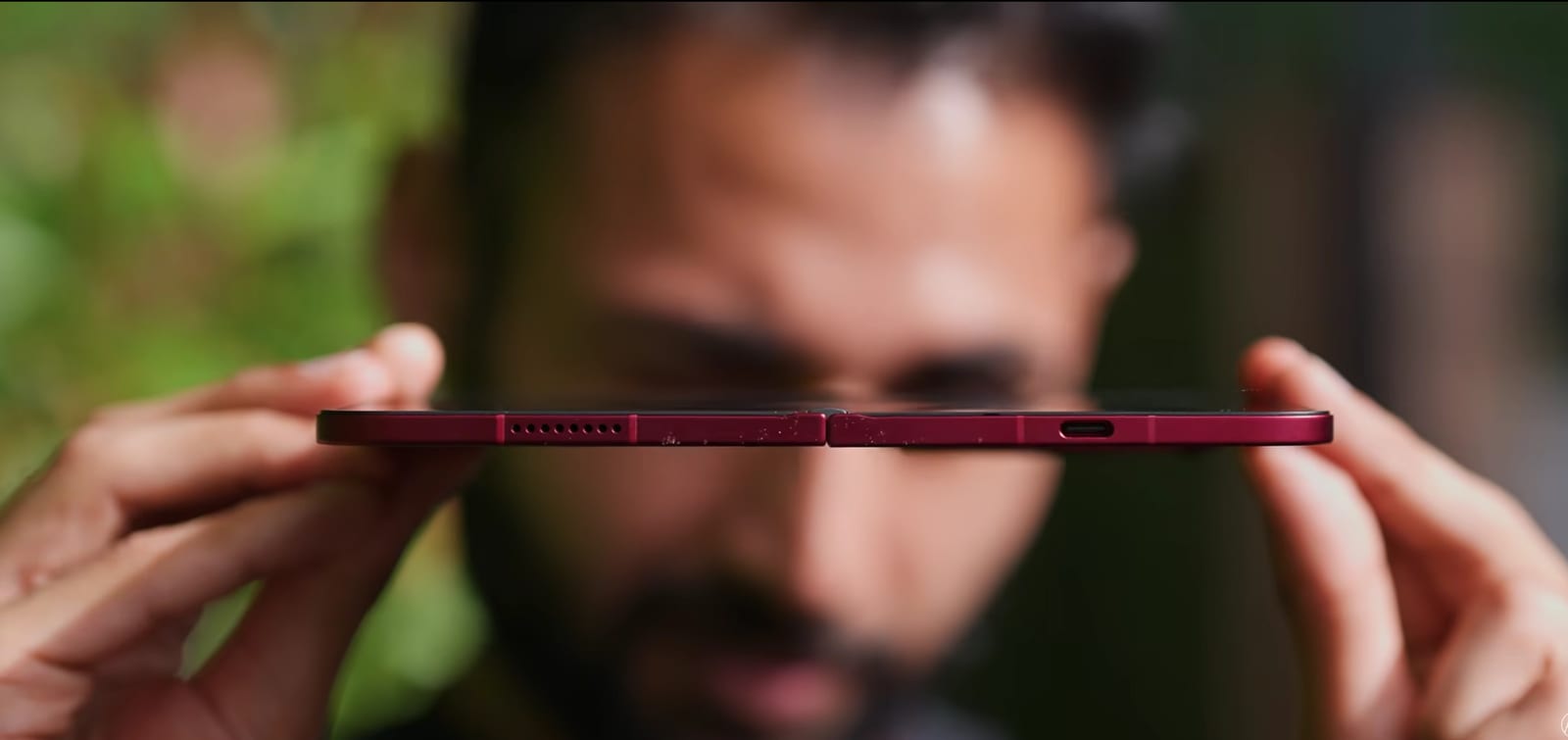
Xiaomi also achieves this while including a much larger battery.
The phone is approximately 5.02 mm thick when unfolded and around 10.7 mm when folded.
Apple's device is approximately 5.2 mm unfolded and 11.3 mm folded.
Those differences may appear small on paper, but they matter when the phone is being carried throughout the day.
The 6,000 mAh Battery Is a Major Advantage
Battery capacity is another area where Xiaomi takes a very aggressive approach.

The Xiaomi 18 Fold uses a 6,000 mAh silicon-carbon battery, significantly larger than the roughly 4,700 mAh capacity associated with Apple's foldable.
The result is not simply a bigger number on the specification sheet. The larger battery is intended to compensate for the additional power requirements of running two displays and a powerful processor.
Charging is also faster.
Xiaomi supports charging at up to 67W, while Apple's advertised charging capability is lower.
For users who regularly rely on fast charging, this difference could be much more important than a few millimeters of thickness.
Bright Displays With Up to 4,000 Nits
Xiaomi's displays are another major part of the hardware package.
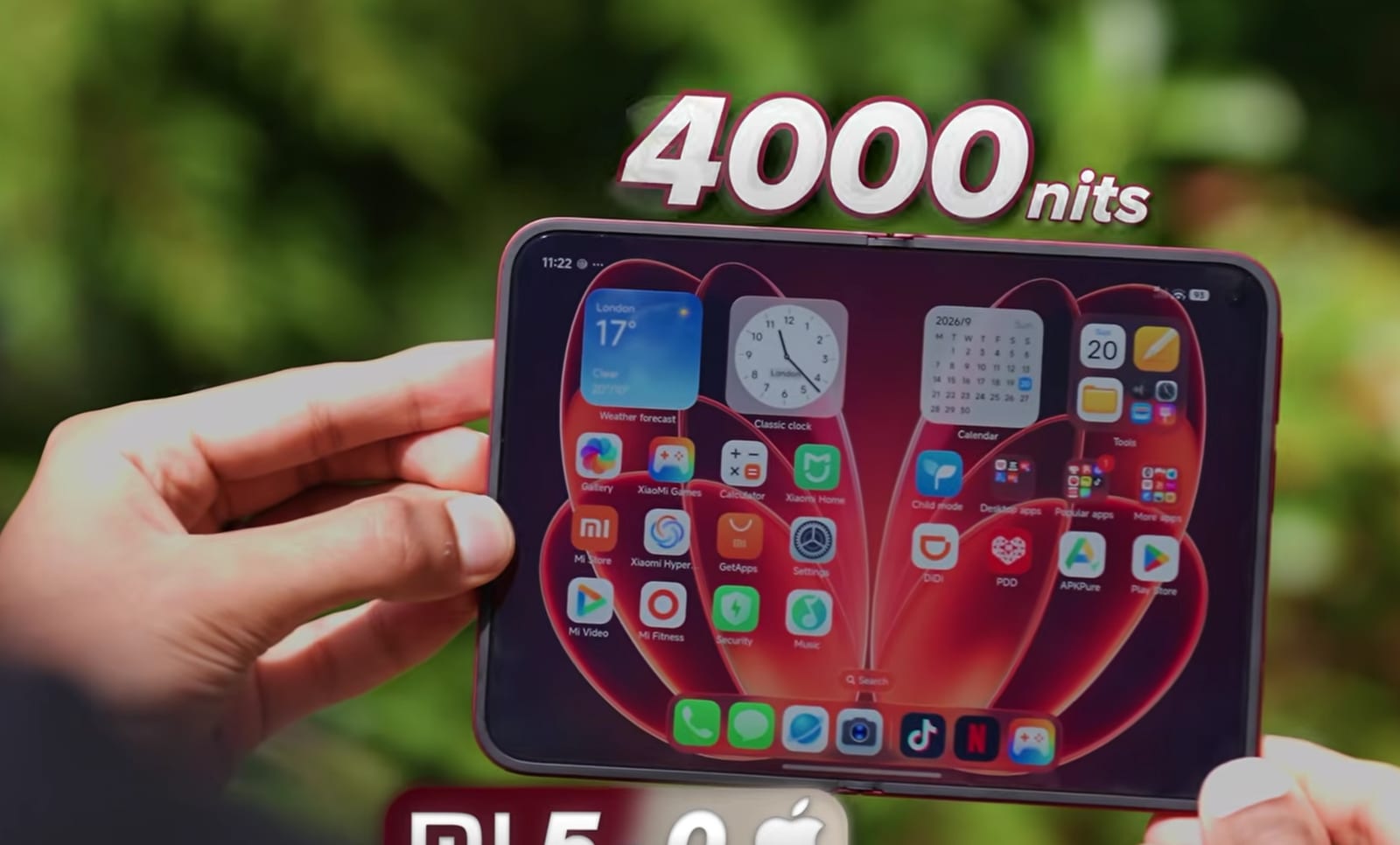
The company claims peak brightness of up to 4,000 nits for its panels.
High peak brightness can make a significant difference outdoors, particularly under direct sunlight.
The foldable design also means that users get a conventional smartphone-sized cover screen when the device is closed and a much larger 7.6-inch display when it is opened.
That makes the device suitable for everything from messaging and browsing to gaming and productivity.
Xiaomi's Camera Hardware Looks Impressive
The camera specifications are particularly aggressive.
The Xiaomi 18 Fold includes:
- A 200MP main camera
- A 50MP ultrawide camera
- A 50MP telephoto camera
- Approximately 3.5x optical zoom
The inclusion of a dedicated telephoto camera is particularly important.
Some thin foldable phones make compromises with their camera systems because there is limited physical space inside the chassis.
Xiaomi has instead attempted to provide a more traditional multi-camera setup.
However, megapixel count does not automatically translate into better photographs.
Sensor size, image processing, stabilization, lens quality and computational photography all have major effects on final image quality.
A 200MP specification therefore sounds impressive, but it should not be considered proof that the camera is automatically better than a lower-resolution competitor.
Xiaomi Adds Several Practical Features
There are also several smaller features that make the Xiaomi 18 Fold interesting.
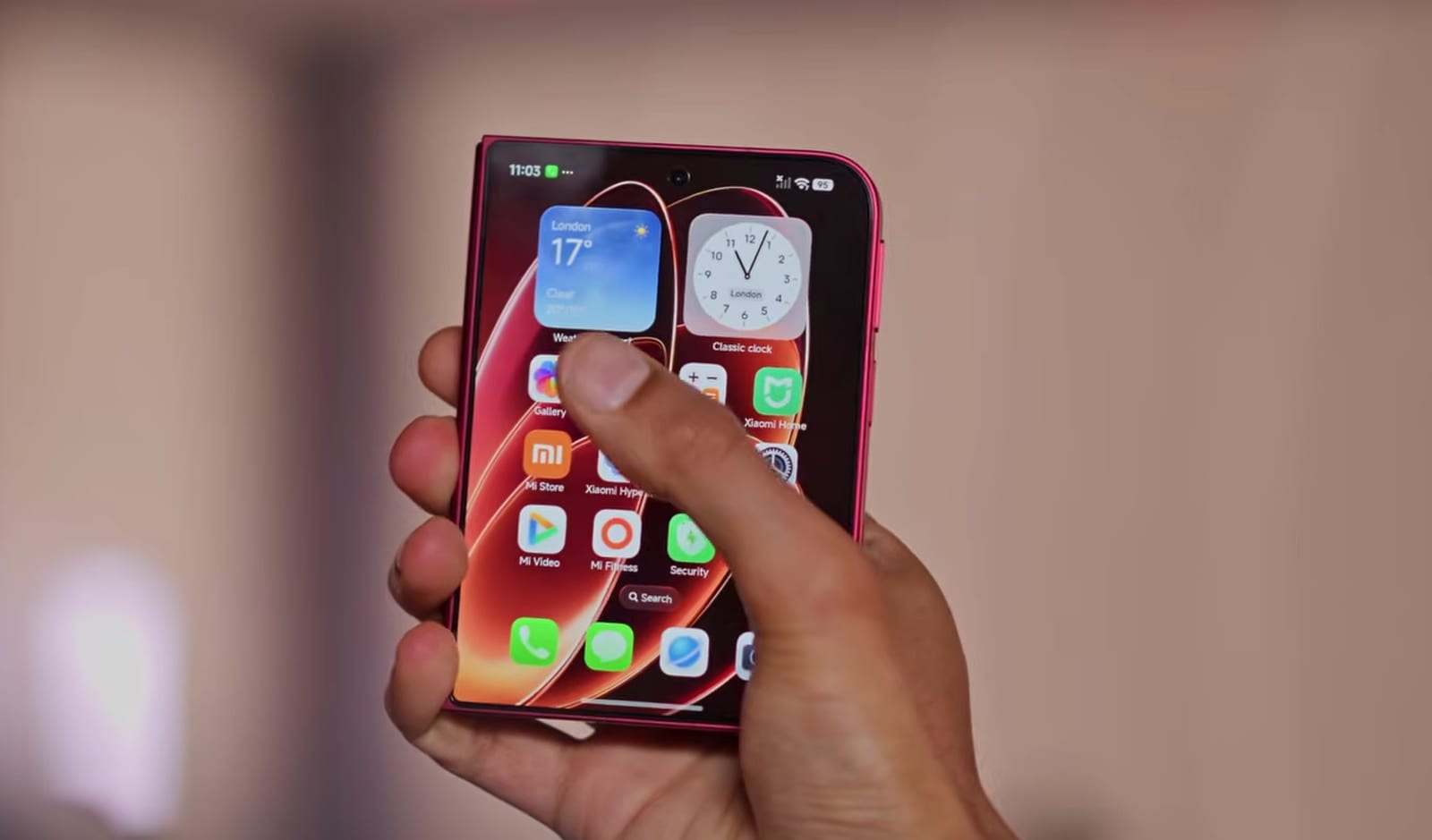
The phone reportedly supports two physical SIM cards, while Apple's foldable approach relies on eSIM.
Xiaomi also includes an IR blaster, allowing the phone to control compatible televisions and other appliances.
A pre-installed screen protector is another useful addition.
Face unlock is available as well, although it does not provide the same security level as Apple's dedicated biometric authentication system.
These are not headline specifications, but they can make a noticeable difference in everyday use.
Multitasking Is Where Xiaomi Really Pushes the Hardware
Perhaps the most impressive part of the Xiaomi 18 Fold is its multitasking capability.
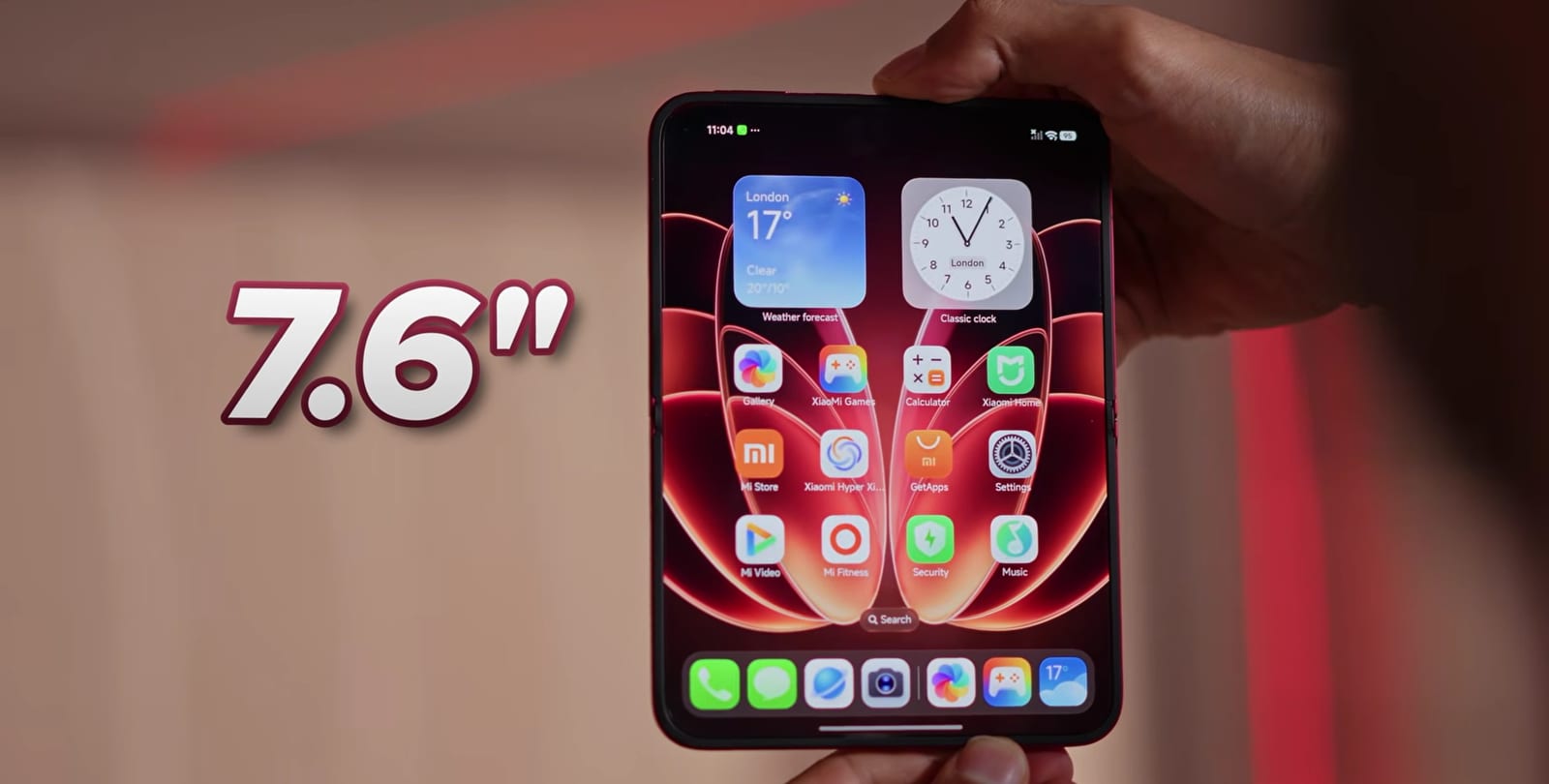
The large internal display can run several applications simultaneously.
You can have applications such as YouTube, Spotify, a shopping app, a browser and other utilities open together, while floating windows can be used for additional applications such as Calculator or the dialer.
The interface also allows users to:
- Resize individual windows
- Move applications around
- Switch between running applications
- Use multiple applications in split screen
- Open floating windows
- Access running applications through gestures
- Save groups of applications for quick access
This is one of the clearest advantages of having a foldable display.
Instead of simply giving users a larger screen, Xiaomi is attempting to turn that screen into a genuine multitasking workspace.
For power users, this can be more valuable than simply having a larger display for watching videos.
But Software Optimization Is Still a Problem
This is where the Xiaomi 18 Fold becomes more complicated.
Having a large display is one thing.
Designing software specifically for that display is another.
Some applications reportedly do not make full use of the available screen area. Empty margins can appear, while certain applications may stretch elements or display interfaces that were designed for conventional smartphone screens.
The issue becomes even more noticeable with third-party applications.
Apps such as YouTube, Netflix and other games may not always behave perfectly when the screen changes orientation or when multiple applications are displayed simultaneously.
Even some pre-installed applications may show inconsistent scaling or layout behavior.
This highlights one of the biggest challenges facing foldable phones.
Manufacturers cannot simply make a larger display and expect every application to automatically understand how it should use the additional space.
Apple's Approach Is More Focused on Integration
The difference between the two approaches becomes particularly interesting when looking beyond hardware.
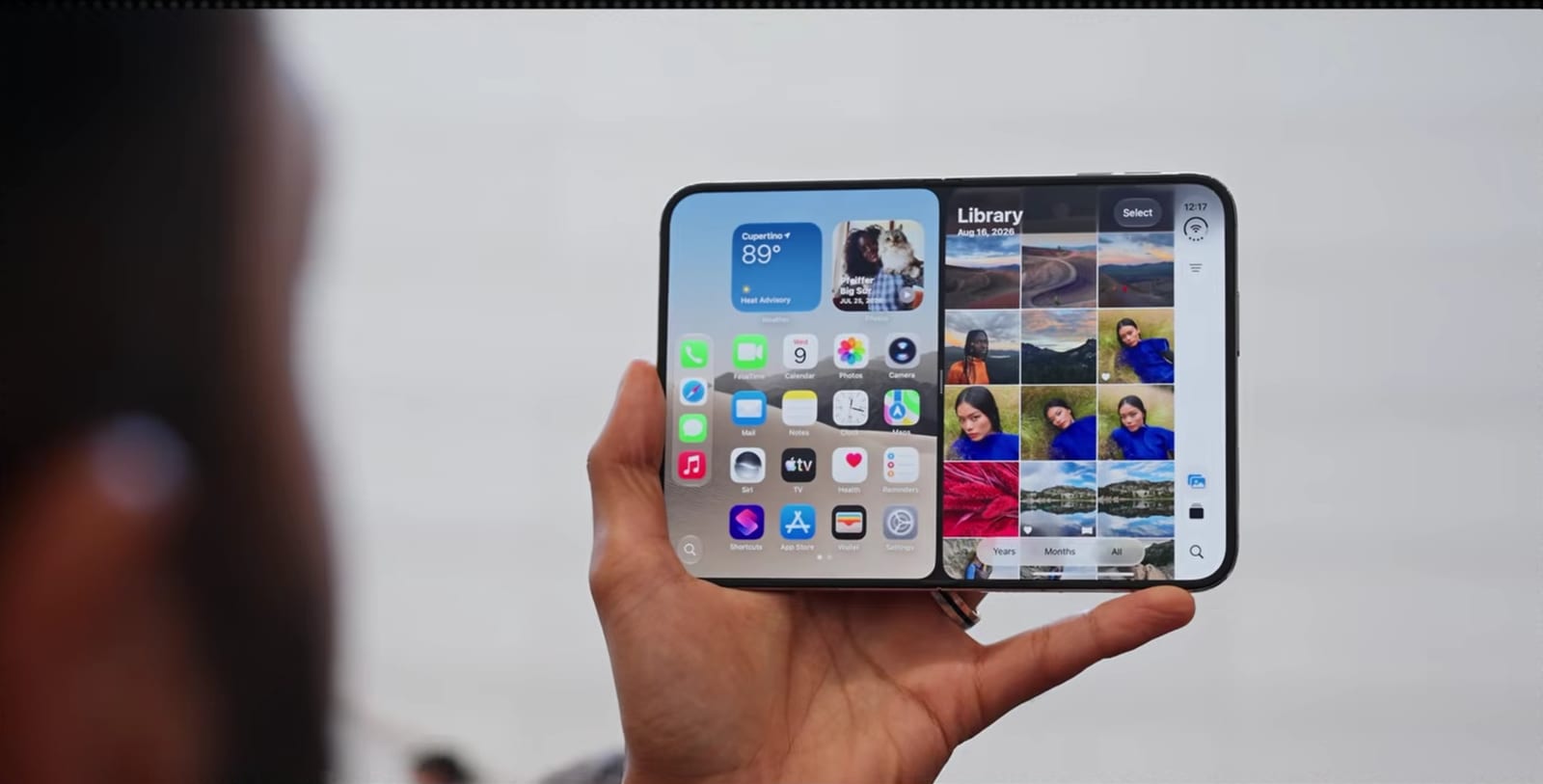
Apple's strategy with its foldable device is heavily focused on integrating software with the physical design.
Animations, interface layouts, navigation elements and system applications are designed around the foldable form factor.
For example, elements can be repositioned to make one-handed interaction easier. Applications can transition between the cover display and the internal display while changing their layouts.
That type of optimization takes significant engineering effort.
Xiaomi has made progress, but the experience described in the source material suggests that some parts of the operating system still feel like traditional smartphone software adapted to a larger screen rather than software designed specifically around the foldable form factor.
Performance Looks Strong Until Heavy Sustained Loads
The Xiaomi 18 Fold also uses Xiaomi's own processor technology and high-speed memory.
The company claims substantial performance improvements compared with its previous custom chip, including higher CPU and GPU performance while reducing power consumption.
In everyday usage, the phone appears capable of handling demanding applications and gaming.
However, sustained workloads can expose thermal limitations.
Stress testing reportedly caused the device to overheat and terminate the test before completion.
This is an important distinction.
A phone can be extremely fast for short periods while still struggling to maintain that performance during long, continuous workloads.
For ordinary users, this may never become an issue.
For gamers, developers, content creators or anyone performing sustained workloads, thermal performance deserves closer attention.
Aluminum Helps With Weight, But There Is a Trade-Off
The Xiaomi 18 Fold uses an aluminum frame, which helps keep the phone relatively light.
However, aluminum can be more susceptible to visible scratches and wear compared with harder premium materials.
This illustrates why looking only at specifications can be misleading.
A lighter phone is useful, but achieving that lower weight can involve compromises elsewhere.
The same principle applies throughout the device.
A larger battery adds weight.
A thinner chassis limits thermal space.
A more complex camera system consumes internal space.
A lighter frame may affect durability.
Designing a foldable phone is therefore a balancing act rather than a simple race to maximize specifications.
The Hinge and Other Small Details Matter
The hinge is another area where premium foldables can distinguish themselves.
The Xiaomi 18 Fold reportedly has a functional hinge, but its movement and sound may not feel as refined as some competing premium foldables.
Small details like this can become surprisingly important.
When a device costs well over $1,000 and is opened and closed hundreds of times, the tactile experience of the hinge contributes significantly to the perception of quality.
The same applies to speakers, fingerprints, screen reflections and other everyday characteristics.
These details rarely appear in specification tables, but they are part of the experience users interact with every day.
What About the Price?
Price is one of Xiaomi's strongest arguments.
The Xiaomi 18 Fold starts at approximately $1,640 equivalent, while Apple's foldable is positioned around the $2,000 level.
That creates a substantial difference.
A buyer comparing only the hardware package may see Xiaomi's offering as particularly compelling because it provides:
- A larger battery
- Faster charging
- Lower weight
- More camera hardware
- A physical SIM option
- An IR blaster
- High display brightness
- Extensive multitasking
- A lower starting price
The challenge is deciding how much value to assign to software optimization and long-term refinement.
Xiaomi 18 Fold vs iPhone 17 Pro Fold: Which Matters More?
The comparison ultimately comes down to two different philosophies.
Xiaomi is emphasizing hardware capability and flexibility.
The company has packed the phone with large numbers and practical features. The 6,000 mAh battery, 67W charging, 200MP camera, telephoto lens, lightweight body and extensive multitasking capabilities make the specifications difficult to ignore.
Apple is emphasizing integration.
The focus is less about having the largest number in every specification category and more about making the hardware, operating system and applications behave like a single product.
Neither philosophy can be evaluated purely from a specification sheet.
A phone can have more cameras and a larger battery while still providing a less refined experience in certain areas. Likewise, a highly optimized operating system does not eliminate the importance of weight, battery life, charging speed or price.
Final Thoughts
The Xiaomi 18 Fold demonstrates how competitive the foldable smartphone market has become.
Its hardware package is ambitious. It is lighter than Apple's foldable, carries a substantially larger battery, charges quickly, includes a more extensive camera setup and provides powerful multitasking capabilities.
But the experience also demonstrates why foldable smartphones are more complicated than conventional phones.
The biggest challenge is no longer simply creating a device that folds.
It is creating software that understands why the device folds.
Xiaomi has built a foldable with impressive hardware and plenty of useful features. The remaining challenge is making every application, animation, gesture and interface element feel as though it was designed specifically for that hardware.
That distinction could become increasingly important as foldable phones move from being niche premium devices toward becoming mainstream smartphones.
For now, the Xiaomi 18 Fold is a strong example of the hardware-first approach to foldables, while Apple's approach places greater emphasis on software integration and overall system design.
And that is ultimately why the most interesting part of the foldable competition is no longer simply which phone has better specifications.
It is how well the hardware and software work together.
Written by
Skillo Staff


0 Comments
Sign in to join the discussion.
No comments yet. Be the first to share your thoughts.